The Golden Proportion Rule
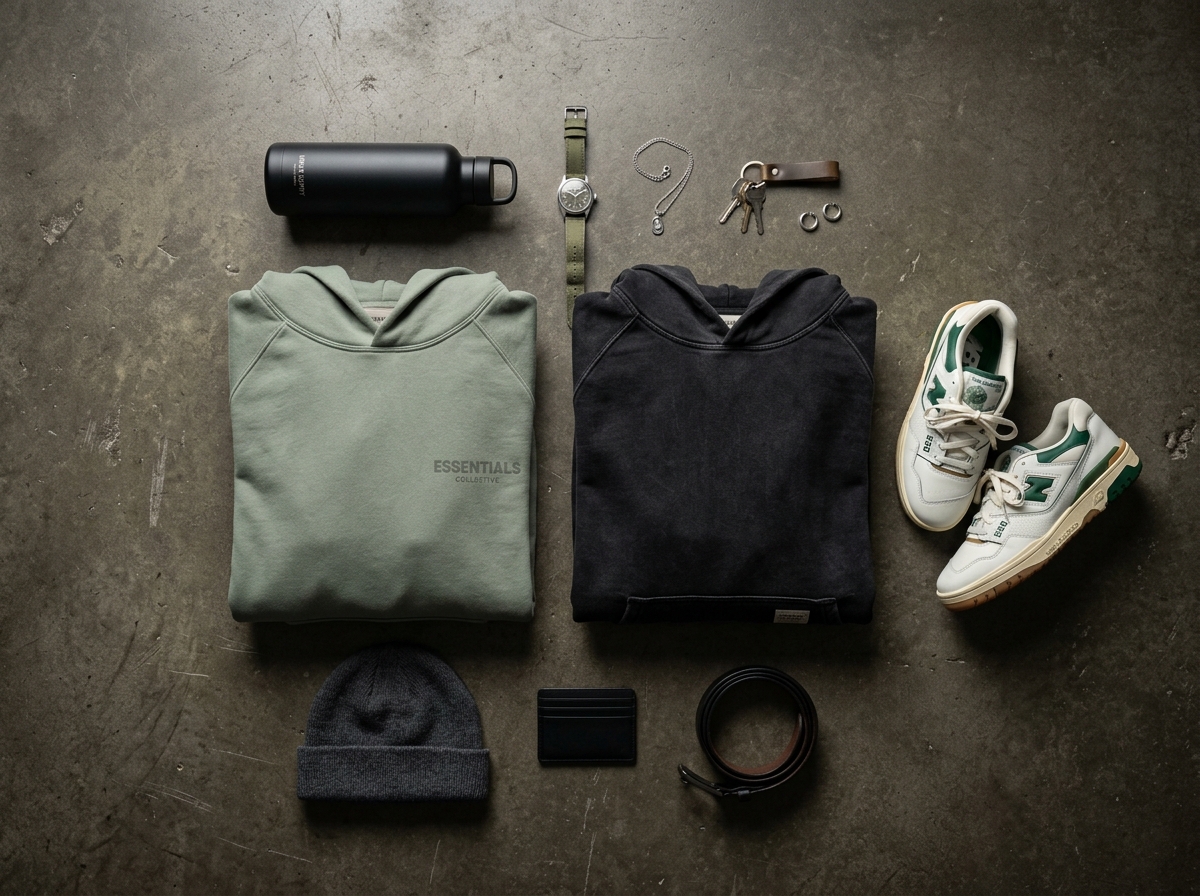
An oversized hoodie looks intentional when it creates clean geometric planes rather than shapeless mass. The secret lies in hood structure, waistband tension, and sleeve stacking. When the garment's architecture is engineered correctly, even an ultra-heavy 500 GSM loopback hoodie delivers an athletic, commanding silhouette rather than a spherical, bulky profile.
The Sizing Fallacy: Engineered Oversized vs. Sizing Up
The single most destructive misconception in streetwear styling is the belief that achieving an "oversized look" simply means buying a standard hoodie in two sizes larger than your usual measurement. When you size up a standard-fit hoodie from a medium to an extra-large, every dimension scales uniformly and proportionally: the neck opening widens excessively, the torso length extends far past your hips, the armholes drop awkwardly, and the waistband tightens around your thighs. The result is not an elevated streetwear silhouette — it looks like you borrowed an ill-fitting garment that was never drafted for your frame.
True luxury streetwear utilizes engineered oversized pattern drafting. In an engineered cut, the chest, back width, and shoulder seams are dropped dramatically by 8 to 15 centimeters to create authoritative horizontal presence across the upper torso. Simultaneously, the body length is deliberately cropped or maintained at standard torso length (typically 68 to 72 cm), ensuring the hem rests right at or slightly below your beltline rather than sagging down over your thighs. The sleeves are given extra volume through the bicep and forearm but terminate in snug, elongated wrist cuffs that prevent fabric from covering your hands. This architectural geometry creates the coveted boxy, dropped-shoulder silhouette without turning you into a walking tent.
The Engineering of the Double-Lined Hood
The defining element of a high-end streetwear hoodie is a double-layered crossover hood constructed without metal eyelets or thin drawstring cords. Single-layer commercial hoods collapse flat across the back of the neck like a deflated pancake, making the wearer appear slouched and compromising the entire upper-body line from both front and profile views.
In contrast, a double-layer 500 GSM hood possesses internal tensile structure. It stands proudly upright like an architectural collar, framing the jawline, elongating the neck profile, and balancing the broad drop-shoulder span beneath. The crossover neckline (where the left and right hood panels overlap at the center throat) eliminates the need for drawstrings, creating a clean, minimalist neckline that layers seamlessly under coats, blazers, and jackets without cords dangling or tangling.
When you stand in profile, an upright double-layer hood acts as a visual counterbalance to the forward drape of the chest panel. This eliminates the hunchback illusion created by flimsy commercial hoods that bunch behind the neck, substituting a crisp, confident posture line that flatters every body type.
Waistband Dynamics: Tackling the "Muffin Top" Balloon
The primary reason people feel "bulky" or spherical in oversized hoodies is an overly tight, elasticated waistband. When bottom ribbing grips tightly around the hips, the excess heavy fabric of the torso has nowhere to go but outwards — bulging over the waistband like an inflated balloon. This creates an unflattering pear or spherical shape that destroys vertical proportions.
Modern streetwear solves this problem with relaxed-tension straight-fall ribbing. In premium hoodies, the bottom rib band is knitted with minimal elastane tension and cut to match the full circumference of the lower body panel. The ribbing hangs straight down over the hips, maintaining a clean rectangular silhouette from shoulder to thigh. This allows the fabric to drape vertically with natural gravity rather than bunching horizontally.
If you own a hoodie with a slightly tighter waistband, master the Internal Under-Fold Technique: fold the bottom ribbing inward and upward by 5 to 8 centimeters so it rests flat against your inner waist. The weight of 500 GSM loopback cotton holds this fold effortlessly without rolling down, creating a clean cropped hem that sits precisely at your belt line while instantly elongating your leg line by several inches.
Sleeve Stacking and Wrist Cuff Control
Oversized sleeves should feature elongated cuffs (7 to 9 cm) constructed from firm 2x2 ribbed cotton with high-recovery elastane threading. This structural boundary is essential for two reasons: functionality and silhouette architecture.
By anchoring firmly at the wrist bone, the cuff prevents excess sleeve volume from sliding down over your hands, ensuring full dexterity for checking phones, typing, or driving. Simultaneously, the excess fabric volume along the bicep and forearm is forced to settle into organic accordion folds — known as sleeve stacking. These horizontal stacks add rich textural depth and visual interest along the arms, creating an athletic, powerful arm profile that commands attention while keeping your hands fully visible and uncluttered.
The Five High-Impact Hoodie Layering Formulas
A heavyweight oversized hoodie is the most versatile modular layering piece in contemporary menswear and womenswear. Here are the five proven formulas that balance bulk and project high-fashion intention:
- Formula 1: The High-Low Architectural Overcoat: Layer a blank washed-black 500 GSM hoodie beneath a long, structured wool trench or tailored single-breasted overcoat in camel, charcoal, or houndstooth. Pull the double-layer hood out over the coat lapels so it stands upright on the collar. The sharp, formal lines of the tailored wool counterbalance the casual slouch of the hoodie, creating the ultimate creative-director aesthetic.
- Formula 2: The Boxy Canvas Chore Coat Stack: Pair a sage or heather grey hoodie under an unbuttoned heavy cotton canvas chore jacket in raw denim, tobacco brown, or dark olive. The rigid collar of the chore jacket frames the hoodie's neckline, while the visible stepped hem tiers create visual depth. Ground this look with straight-leg carpenter trousers and retro skate shoes.
- Formula 3: The Cropped MA-1 Bomber Silhouette: Place an oversized hoodie under a cropped nylon bomber jacket. Ensure the bomber's hem hits 3 to 5 cm higher than the hoodie's hem, creating a bold, intentional two-tiered bottom line. This proportion trick makes the torso appear compact and the legs dramatically longer.
- Formula 4: The Minimalist Leather Jacket Armor: Slide a jet-black loopback hoodie beneath an oversized vintage leather moto or cafe racer jacket. The matte texture of heavy cotton breaks the sheen of the leather, producing a tactile contrast that is timeless, rugged, and modern.
- Formula 5: The Subversive Tailored Suit Integration: Wear a clean, branding-free off-white or washed slate hoodie under a relaxed, unstructured two-piece tailored suit with wide-leg trousers. Finish with minimalist white leather court sneakers for a boardroom-ready smart casual statement that defies corporate conservatism.
Lower-Body Proportion Counterbalancing
The cardinal rule of styling oversized upper garments is lower-body counterbalancing. When you introduce significant volume across the shoulders and chest, your choice of trouser cut determines whether the entire outfit feels intentional or messy.
The Wide-Leg Drape (The Contemporary Gold Standard): Pairing an oversized boxy hoodie with relaxed, wide-leg utility cargos or loose 14 oz raw denim creates a continuous, column-like silhouette. This "relaxed-on-relaxed" look works because the hoodie's cropped boxy hem provides a clear waist definition point, preventing the top and bottom volumes from merging into a single shapeless mass. Ground the hem with chunky retro runners to anchor the wide leg openings.
The Tapered Utility Contrast (The Dynamic Athletic Line): If you prefer a more tapered look, choose utility cargo trousers featuring bungee hem cinches or carpenter pants with a gentle knee-to-ankle taper. Cinching the hems right above high-top sneaker collars creates an inverted triangle (V-shape) silhouette that broadens the upper body while keeping the ankles sharp and agile.
What to Avoid: Never pair an ultra-heavy oversized hoodie with ultra-skinny jeans or spray-on denim. This creates an exaggerated "lollipop" or "ice cream cone" proportion, making the upper torso appear unnaturally heavy and the legs comically thin. Streetwear proportions demand structural dialogue between top and bottom garments.
Color Harmonies: Monochromatic Depth vs. High-Contrast Accents
When styling heavy cotton hoodies, tonal and monochromatic palettes are your most powerful tool for minimizing perceived bulk. A monochromatic outfit — such as a washed black hoodie paired with charcoal utility cargos and black leather sneakers — creates a continuous vertical line that draws the eye upward, slimming the overall profile and emphasizing silhouette over mass.
To prevent a monochrome fit from appearing flat or boring, focus on tactile contrast: combine the matte loopback cotton of the hoodie with the crisp weave of ripstop twill trousers, the polished leather of footwear, and the metallic hardware of bags or jewelry. The interplay of light across these distinct textures provides all the visual richness you need without requiring loud color clashes.
If you choose to incorporate color, stick to mineral-washed earth tones: sage green, slate blue, dusty mauve, espresso brown, or desert stone. These desaturated hues possess an organic sophistication that pairs seamlessly with classic streetwear neutrals (black, grey, white, raw indigo) without overwhelming the garment's architectural proportions.
Washing and Preserving Hoodie Structure
A 500 GSM loopback hoodie will maintain its architectural silhouette for years if laundered with discipline. Always turn the garment inside out before washing to protect the outer jersey face from drum abrasion. Use cold water (maximum 30°C) and a gentle, enzyme-based liquid detergent. Avoid fabric softeners entirely — silicone coating agents in softeners coat the natural cotton fibers, degrading their breathability, weighing down the loopback terry, and causing the structured hood to lose its upright stiffness.
Never tumble dry a premium heavyweight hoodie. The high heat of commercial dryers shrinks cotton fibers unevenly and causes the pocket stitching and ribbed trims to warp. Lay the hoodie flat across a drying rack, gently reshaping the hood, shoulders, and cuffs while damp. Store your hoodies folded on shelves rather than hung on wire hangers, which create unsightly "shoulder bumps" and stretch out the neckline over time.
Six Distinct Aesthetic Archetypes Built Around the Oversized Hoodie
The beauty of a high-density 500 GSM blank hoodie is its chameleon-like adaptability across varied urban subcultures. Depending on how you style and accessorize it, a single washed-black or earth-tone hoodie can anchor six radically different aesthetic identities:
- The Japanese Workwear Aesthetic: Pair an unbranded heather-grey or olive hoodie with relaxed Japanese raw selvedge denim, an unbuttoned heavy cotton herringbone chore jacket, and natural leather work boots. Add an indigo bandana around the neck or peeking from the back pocket. This look celebrates utilitarian craftsmanship, tactile heavyweight textures, and slow-fashion heritage.
- The Minimalist Scandinavian Clean-Look: Wear an optic-white or sand-colored boxy hoodie beneath a minimalist navy or charcoal car coat. Pair with razor-sharp black cropped trousers (zero-break) and pristine white leather tennis sneakers. Keep branding completely absent and jewelry restricted to a slim silver bangle. The Scandinavian ethos prizes clean negative space, functional warmth, and quiet luxury.
- The Technical Urban Cyber/Techwear Line: Combine a pitch-black loopback hoodie with water-resistant nylon ripstop cargo pants featuring fidlock magnetic buckles, webbing straps, and tactical utility pouches. Layer a lightweight technical shell jacket over the top and finish with waterproof trail-running sneakers or Gore-Tex high-tops. The contrast between organic cotton fleece and futuristic matte nylon creates high visual tension.
- The Vintage 90s Americana Grunge Revival: Layer an oversized acid-washed charcoal hoodie under a vintage distressed denim jacket or oversized flannel overshirt. Pair with relaxed-fit carpenter pants with paint-splatter patina and beaten-up canvas skate sneakers. The broken-in textures channel early 1990s Seattle music culture and Venice Beach skate parks with authentic attitude.
- The Elevated Parisian Runway Silhouette: Pair a cropped boxy black hoodie with ultra-wide-leg flowing pleated trousers that pool dramatically over platform leather derbies. Add rectangular tinted acetate sunglasses and a structured leather mini bag worn across the chest. This silhouette mirrors contemporary European high-fashion runway proportions, transforming casual streetwear into avant-garde evening wear.
- The Off-Duty Creative Director Uniform: An espresso brown or washed-sage 500 GSM hoodie worn over a crisp white 300 GSM base tee (with 2 cm of white hem exposed). Pair with straight-leg ecru twill trousers and chunky brown suede loafers with white ribbed socks. This is the uniform of art directors, creative strategists, and gallery curators who demand effortless luxury and understated creative authority.
The Comprehensive Hoodie Troubleshooting Matrix
Even with high-end streetwear, minor fit and styling friction can occur. Here is how to diagnose and solve every common hoodie issue:
- Problem: The torso feels too long and swallows your leg length.
Solution: Execute the Internal Under-Fold. Fold the bottom 2x2 ribbing inward and upward by 6 to 8 centimeters so it rests against your natural waistline. The friction and weight of 500 GSM loopback French terry holds this fold securely throughout the day, creating an instant cropped boxy fit that elongates your legs without requiring custom tailor alterations. - Problem: The sleeves slide over your hands and interfere with daily tasks.
Solution: Push the ribbed wrist cuffs 3 centimeters up your forearm, then allow the excess fabric of the bicep to drape down over the cuff in clean accordion folds. The elastane in the cuff will anchor firmly against the forearm muscle, locking the sleeve in place while adding rich sleeve stacking texture to your upper silhouette. - Problem: The hood collapses flat and looks deflated under a jacket.
Solution: When layering under coats or jackets, unbutton the top two buttons of your outerwear, reach inside, and manually lift the crossover neckline of the hoodie. Pull the hood completely outside the jacket collar, flare the back of the hood outwards, and let the base rest firmly against the jacket's rear seam. The double-layered cotton construction will stand upright like a sculptural chimney. - Problem: The fleece feels stiff or rigid after cold line drying.
Solution: High-density 100% natural cotton naturally stiffens slightly when air-dried without heat. Simply hang the hoodie on a wide wooden hanger and use a handheld garment steamer for 45 seconds across the exterior, or put the garment on and wear it for 10 minutes — your natural body heat and movement will instantly relax the cotton fibers to their signature velvety softness.
Footwear Pairing Matrix for Oversized Hoodies
Because an oversized hoodie introduces substantial horizontal mass to your upper body, your footwear must deliver enough visual ground weight to prevent the entire outfit from feeling top-heavy:
Pair heavy hoodies with footwear featuring substantial sole profiles: chunky retro basketball silhouettes (EVA midsoles over 3.5 cm), platform skate shoes, lug-sole leather derbies, or heavy combat boots. Low-profile, paper-thin running shoes should be strictly avoided with oversized hoodies, as they fail to provide the visual anchor necessary to balance the broad drop-shoulder span above.
Final Takeaway
Styling an oversized hoodie without looking bulky is an exercise in structural balance: choose an engineered boxy crop rather than an upsized standard cut, insist on a double-layer upright hood, embrace straight-fall waistbands, stack your sleeve volume cleanly, and counterbalance the upper torso with wide or relaxed trousers. Master these principles, and the oversized hoodie transforms from simple loungewear into your most commanding streetwear weapon.